


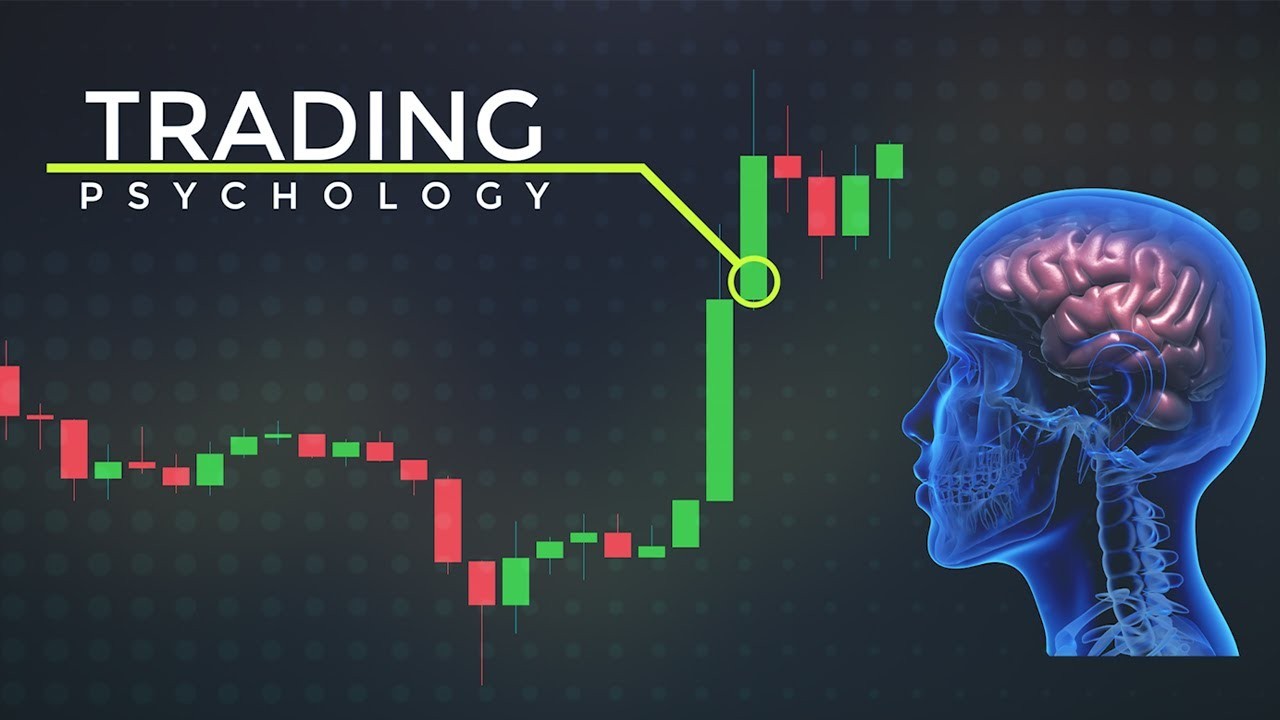
Trading psychology is a broad term that includes the mindset, emotions, feelings, thought processes, and mental state of a trader that influence their trading actions.
The psychology of trading is often overlooked but forms a crucial part of a professional trader’s skillset.
What is Trading Psychology
Trading psychology is a broad term that includes all the emotions and feelings that a typical trader will encounter when trading. Some of these emotions are helpful and should be embraced while others like fear, greed, nervousness and anxiety should be contained. The psychology of trading is complex and takes time to fully master. In reality, many traders experience the negative effects of trading psychology more than the positive aspects. Instances of this can appear in the form of closing losing trades prematurely, as the fear of loss gets too much, or simply doubling down on losing positions when the fear of realizing a loss turns to greed.
The Basics of Trading Psychology
These are the basics of trading psychology
Fear, greed, excitement, overconfidence and nervousness are all typical emotions experienced by traders at some point or another. Managing the emotions of trading can prove to be the difference between growing the account equity or going bust.
While all traders make mistakes regardless of experience, understanding the logic behind these mistakes may limit the snowball effect of trading impediments. Some of the common trading mistakes include: trading on numerous markets, inconsistent trading sizes and overleveraging.
Traders need to identify and suppress FOMO as soon as it arises. While this isn’t easy, traders should remember there will always be another trade and should only trade with capital they can afford to lose.
Greed is one of the most common emotions among traders and therefore, deserves special attention. When greed overpowers logic, traders tend to double down on losing trades or use excessive leverage in order recover previous losses. While it is easier said than done, it is crucial for traders to understand how to control greed when trading.
The significance of effective risk management cannot be overstated. The psychological benefits of risk management are endless. Being able to define the target and stop loss, up front, allows traders to breathe a sigh of relief because they understand how much they are willing to risk in the pursuit of reaching the target. Another aspect of risk management involves position sizing and its psychological benefits
New trades often tend to look for opportunities wherever they may appear and get lured into trading many different markets, with little or no regard for the inherent differences in these markets. Without a well thought out strategy that focuses on a handful of markets, traders can expect to see inconsistent results. Learn how to trade consistently.
The Mindset of a Successful Trader
While there are many nuances that contribute to the success of professional traders, there are a few common approaches that traders of all levels can consistently implement within their particular trading strategy.
This may seem obvious, but in reality, keeping a positive attitude when speculating in the forex market is difficult, especially after a run of successive losses. A positive attitude will keep your mind clear of negative thoughts that tend to get in the way of placing new trades.
Accept that you are going to get trades wrong and that you may even lose more trades than you win. This may seem like all bad news but with discipline and prudent risk management, it is still possible to grow account equity by ensuring average winners outweigh the average losses.
You can only take what the market gives you. Some days you may place fifteen trades and in other instances you may not place a single trade for two weeks. It all depends what is happening in the market and whether trade set ups - that align with your strategy - appear in the market.
This may seem similar to the first point but actually deals with thoughts of quitting. Many people see trading as a get rich quick scheme when in fact, it is more of a journey of trade after trade. This expectation of instant gratification often leads to frustration and impatience. Remember to stay disciplined and stay the course and view trading as a journey.
Share
-
Next Post
How to use the MT4
Related Posts
January 13, 2026
Diversification in Forex Trading
Why One Pair Is Not Enough Many traders believe that mastering a single currency pair…
October 4, 2025
Forex Trade Journaling
Forex Trade Journaling – The Best Way to Record Your Trading Activity In the world…
October 3, 2025
Trading Routine & Timeframe
A Trading Routine is a structured, regular process that traders follow to manage their activities…
June 4, 2025
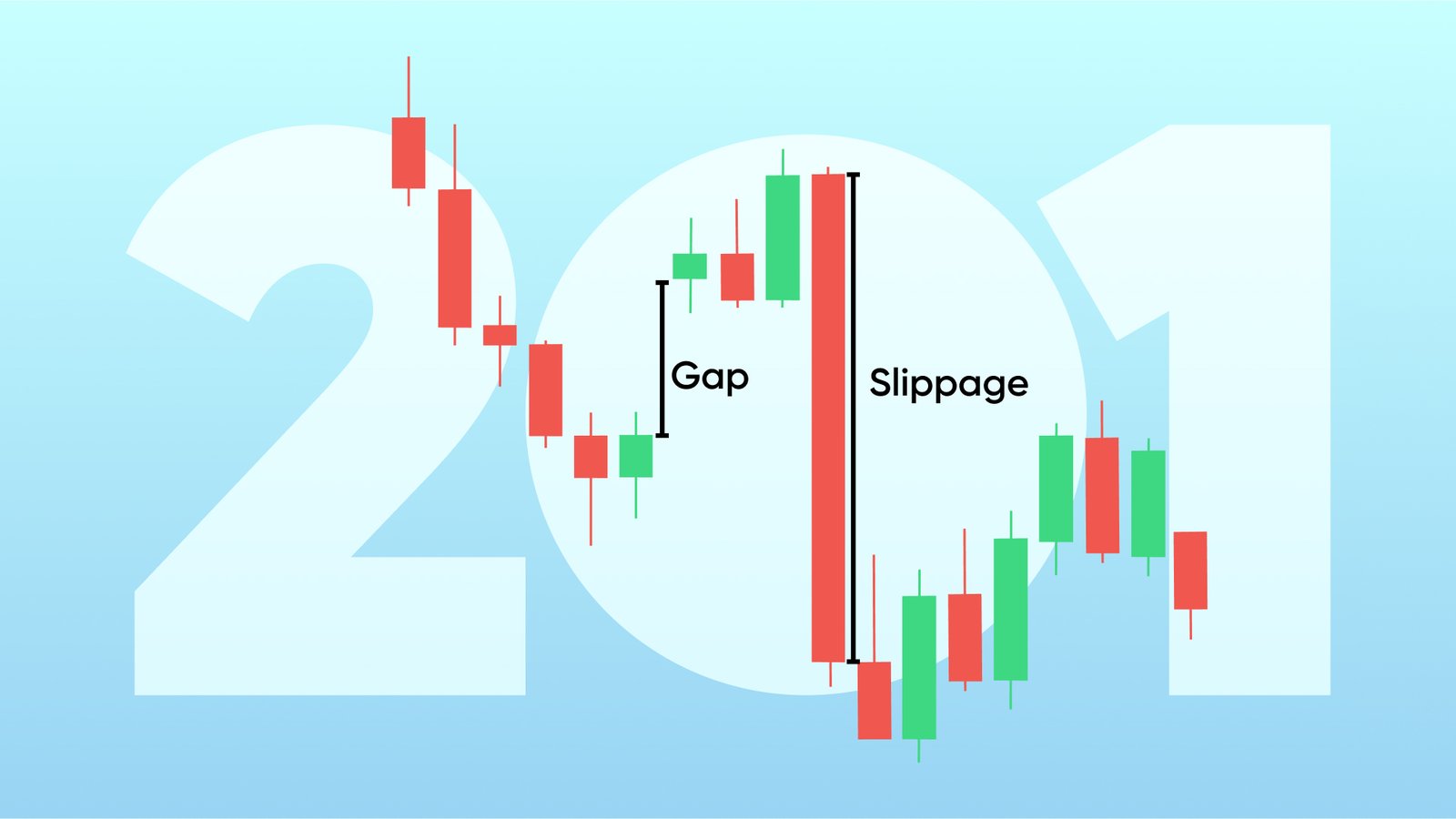
Market Slippage & Gaps
Market slippage and gaps are two of the biggest risks you’ll regularly encounter when trading.…
