What is fundamental analysis?

In Forex trading, fundamental analysis involves assessing economic, political, and social factors that influence a currency’s value. It focuses on understanding the underlying economic health of a country and how that impacts its currency. Unlike technical analysis which focuses on price patterns, fundamental analysis looks at broader market conditions to predict long-term currency movements. 

In forex, for example, a fundamental trader would examine any data that is likely to have a significant bearing on the price of a currency pair, such as economic data, political factors or even the impact of natural disasters.


How This Works in Real Life

Let’s break this down with a real-world example:

Let’s say that the U.S. dollar has been gaining strength because the U.S. economy is improving.What happens next? The Federal Reserve (aka “the Fed”) starts thinking about raising interest rates to keep the economy from overheating.

Higher interest rates make dollar-denominated financial assets more attractive.

But here’s the catch: to buy these dollar assets, traders need actual dollars first! This increases demand for the U.S. dollar, driving its value up against currencies from countries with lower interest rates or weaker economic outlooks.

Remember: currencies always come in pairs. The USD doesn’t just strengthen in a vacuum, it strengthens relative to another currency that’s relatively weaker.

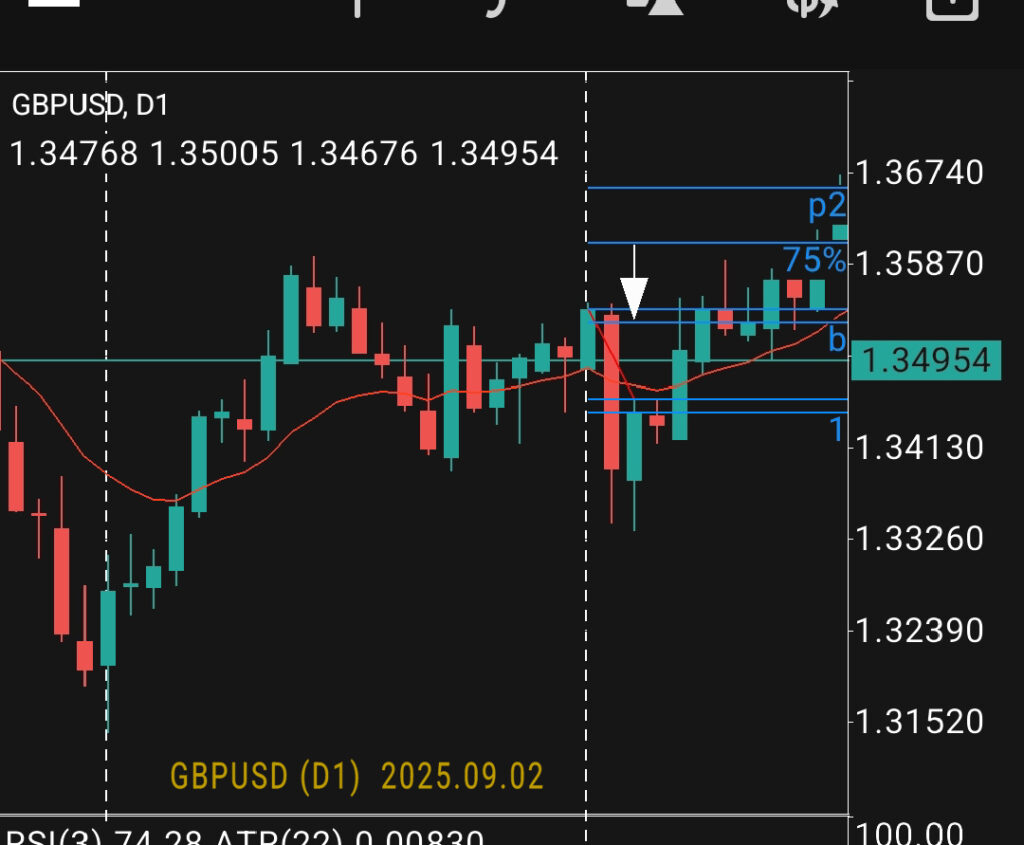
PMI news effect on the GBPUSD (2nd sept 2025)

⚖️ Our Approach

Instead of trying to gamble on the news, we simply step aside. By avoiding trading during CPI, interest rate, and retail sales announcements, we protect active trades and wait for the market to stabilize. Knowing when not to trade helps tremendously, by practicing fundamental awareness you avoid unnecessary losses that would destroy your hard work

Important factors in fundamental analysis


Central bank announcements

Central banks can be a cause of significant volatility across most asset classes. Their most important action is to raise or lower interest rates, which can have a big impact on currencies, stocks, indices, and more.

However, fundamental analysts will also watch for new monetary policies (hints that a central bank’s stance may change in the near future), asset purchases, currency revaluations, changes to personnel, and so on.

Economic data

Almost every asset is affected by its wider economy, so fundamental traders will look for signs that an economy is growing or shrinking.

The key indicator of economic growth is gross domestic product (GDP), which calculates the sum of goods and services produced within an economy. However, employment and production reports are also important.

Inflation

Another key economic factor is inflation. Inflation occurs when the purchasing power of a given currency decreases, and central banks usually have the job of keeping it in check (while avoiding deflation).

Inflation doesn’t just affect forex; bonds, commodities, stocks, and indices will all usually experience volatility from it.

Politics

Political change within a country can play out across financial markets. A new president, for example, might make life harder for businesses or invest heavily in new infrastructure.

Geopolitics, too, can be important. For instance, increased conflict in the Middle East can put a strain on the world’s oil supply, driving up its price. As a result, businesses that rely heavily on oil may see their profits weaken.

Natural disasters and seasonality

These two factors may seem unrelated to the markets, but will often drive volatility across multiple assets.

Natural disasters can bring headwinds for businesses and economies, as well as affecting the supply chains of various commodities. Seasonal weather issues can do the same.

🔎 Why we avoid high-impact news events like CPI, Interest Rate Decisions, and Retail Sales:

1️⃣ Unpredictable Market Reactions
Even if you analyze correctly, news can create wild price spikes that ignore technical signals. A perfect setup can suddenly reverse, turning profits into losses within seconds.

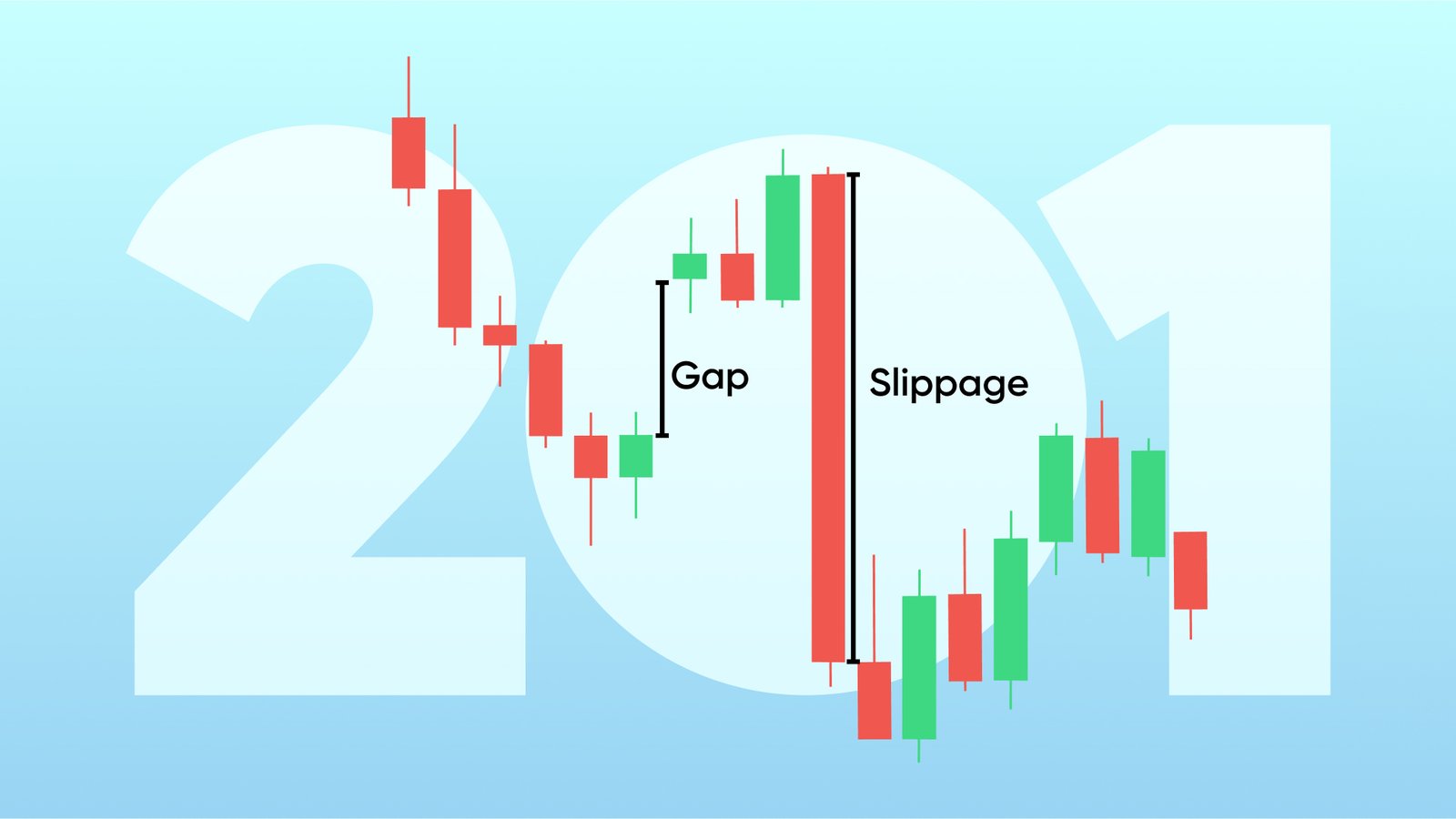
2️⃣ Spreads & Slippage
During news releases, brokers often widen spreads and execution speed drops. This makes stop-losses less effective and increases the risk of bigger-than-expected losses.

3️⃣ Noise Over Precision
Our strategy relies on precision from indicators. News-driven volatility adds “noise” to the market, making technical signals less reliable during those moments.

✅ Trading Lesson:
Consistency is not about trading every move — it’s about protecting your account from unpredictable risks. Avoiding high-impact news is a winning habit of professional traders.
Our Services

Indicator Algorithm Course

Enrol for our trading course to learn and practice how to create…

Read More

VIP Room

Get access to high-probability trading signals designed for consistent short-term wins, step-by-step…

Read More

Account Management

For account management, your trading account will be linked to our client-base…

Read More

Post a comment

Your email address will not be published.

Related Posts